
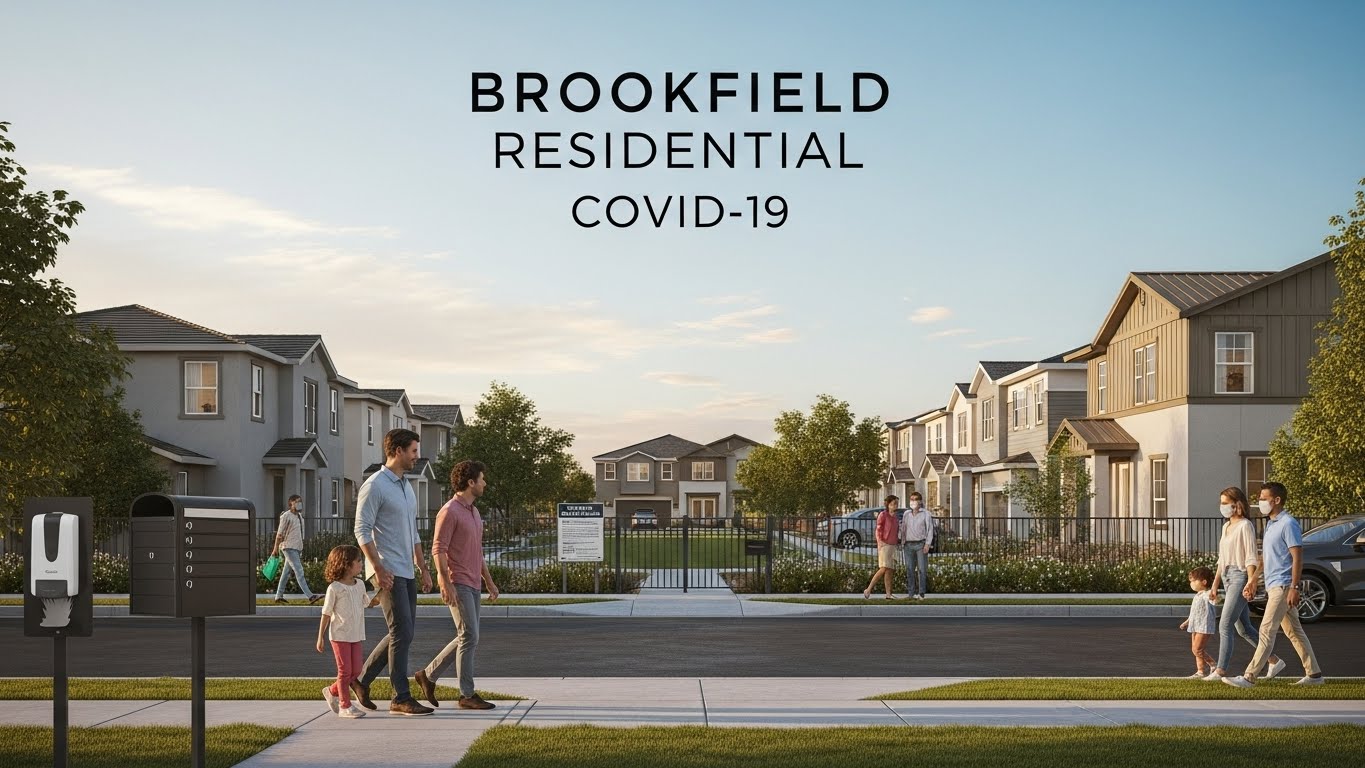
Brookfield Residential COVID-19 Guide: Safety, Changes, Policies, and Impact
The COVID-19 pandemic reshaped how every industry operated, but for residential developers, the shift was even more dramatic. Brookfield Residential, one of North America’s leading homebuilders and community developers, became a major point of discussion during this period. Many homebuyers, residents, and employees searched for clear answers about how the company handled safety, construction timelines, customer care, and community well-being. This guide explores everything related to Brookfield Residential COVID-19 policies, impacts, long-term transformations, and what the company’s approach means for modern housing and community living.
Understanding Brookfield Residential’s COVID-19 Response
The term Brookfield Residential COVID-19 refers to the company’s collective actions, policies, and decisions during the pandemic. As the health crisis evolved, Brookfield Residential shifted quickly to ensure that operations remained safe, stable, and customer-centered. Their approach involved building guidelines, virtual processes, new communication channels, and redesigned workflows across sales, construction, and customer care.
During the early months of the pandemic, safety protocols became the foundation of all operations. Brookfield Residential adapted by reducing in-person interactions, enhancing sanitization, and implementing remote communication where possible. These measures were designed not only to protect employees and contractors but also to maintain trust with homeowners, many of whom were concerned about delayed projects and safety within developing communities.
Operational Adjustments Across Construction and Development
Construction is one of the industries that continued operating under strict regulations during COVID-19. Brookfield Residential made significant adjustments across its job sites to reduce exposure, promote distancing, and maintain compliance with evolving guidelines. These operational changes included controlled job-site access, staggered work shifts, and health screening for contractors.
While some delays were unavoidable due to supply-chain interruptions, the company prioritized high-impact projects and communicated openly with homebuyers. This combination of transparency and adaptability helped reduce stress for families waiting for home completions. The Brookfield Residential COVID-19 model became an example of how large developers could stay active while prioritizing health and stability.
Health and Safety Initiatives for Homebuyers and Residents
Health and safety became central to Brookfield Residential communities. The pandemic emphasized the importance of safe public areas, clean amenities, and controlled access to shared spaces. Brookfield Residential implemented new standards such as enhanced cleaning routines, limited-capacity amenity use, and temporary closures when necessary.
Community centers, model homes, and sales galleries adopted measures like protective shields, contact-free entry, pre-scheduled visits, and sanitation stations. For new homebuyers, virtual walk-throughs replaced open house gatherings. These changes reflected the broader commitment to uphold a healthy living environment while preserving customer convenience.
Digital Transformation and Virtual Home-Buying
One of the most notable effects of Brookfield Residential COVID-19 policies was the rapid digital transformation. Virtual tours, 3D home models, online design centers, and digital paperwork became standard tools. The shift addressed both safety needs and consumer preferences, as many homebuyers wanted remote options to evaluate communities without unnecessary exposure.
This digital wave reshaped how potential owners explored homes, interacted with sales teams, and even selected interior finishes. The rise of remote home-buying also brought greater accessibility, making the process smoother for long-distance clients and busy families who preferred online engagement.
Community Engagement in a Pandemic Era
Even during lockdowns, Brookfield communities continued fostering connection among residents through creative, socially distanced initiatives. Virtual events, outdoor wellness activities, and digital neighborhood groups became popular ways for residents to interact while maintaining safety protocols.
These social strategies helped ease feelings of isolation and preserved the community-focused identity Brookfield Residential promotes. Programs tailored to family engagement, wellness, and neighborhood support demonstrated that even during a pandemic, community relationships remained a priority.
Impact on Home Design Preferences
COVID-19 significantly influenced home design trends, and Brookfield Residential observed shifting buyer expectations. People wanted spaces that supported remote work, home classrooms, exercise rooms, and flexible multifunction areas. As a result, floorplans with private offices, larger living rooms, and outdoor extensions gained popularity.
Builders recognized the need for healthier home designs as well, including improved ventilation, natural lighting, and open layouts that enhanced psychological comfort. Brookfield Residential COVID-19 trends reflected a broader transformation in the housing market, where practicality and wellness became equally important in home design.
Table: Key Changes During Brookfield Residential’s COVID-19 Phase
| Area Affected | Pre-COVID Standard | COVID-19 Adjustments |
|---|---|---|
| Home Tours | In-person model home visits | Virtual tours, appointment-only visits |
| Construction | Normal staffing and workflow | Distanced teams, health monitoring |
| Community Amenities | Full access | Restricted capacity, enhanced sanitation |
| Customer Service | Office-based meetings | Video calls, remote support |
| Homebuyer Communication | Regular updates | Frequent pandemic-specific updates |
The Role of Customer Communication
Clear communication became a pillar of Brookfield Residential COVID-19 strategy. With uncertainty surrounding timelines, safety, and availability of materials, homebuyers relied heavily on frequent and transparent updates. The company expanded digital communication channels, providing email updates, virtual meetings, and instant messaging options for customer inquiries.
This heightened communication reduced confusion and kept buyers informed during unpredictable periods. It also strengthened trust, demonstrating that the company valued openness and accountability during a challenging global event.
Supply Chain Challenges and Material Shortages
Like all builders, Brookfield Residential faced material delays, rising costs, and global shipping issues triggered by the pandemic. Items like lumber, appliances, and specialty materials experienced significant shortages, affecting construction speed and availability. These constraints led to longer build windows and occasional design modification requests.
Brookfield Residential mitigated many of these challenges through strategic planning, bulk ordering when possible, and working closely with suppliers to minimize disruption. Their experience illustrates how large developers balanced continuity with unavoidable delays.
Employee Support Programs
A major aspect of Brookfield Residential COVID-19 planning involved employee safety and well-being. The company implemented flexible work-from-home policies, health screenings, paid leave for affected employees, and mental wellness resources. Construction teams received protective equipment, safety training, and access to additional support when necessary.
These employee-centered efforts helped maintain productivity while ensuring that workers felt valued and protected during uncertain times.
Adapting Amenities and Shared Spaces
Community amenities such as gyms, playgrounds, pools, and clubhouses required special consideration. Brookfield Residential adopted rotating schedules, limited access, cleaning protocols, and temporary closures depending on health guidelines. These policies were designed to maintain fairness and keep residents safe while still offering lifestyle value.
In some communities, outdoor amenities like trails and parks gained increased importance. Many residents turned to open spaces for safe recreation, reinforcing their value in modern neighborhood design.
List: Most Significant Long-Term Changes Sparked by the Pandemic
Virtual home-buying becoming a permanent option
Greater prioritization of home offices
Increased demand for flexible interiors
Enhanced appreciation for community outdoor spaces
Higher expectations for digital customer service
Focus on healthier building materials
Improved cleaning protocols in shared amenities
Long-Term Impact on Real Estate Market Dynamics
The real estate landscape shifted dramatically due to the pandemic, and Brookfield Residential was no exception. Demand for suburban homes increased as families sought more space and privacy. Remote work allowed people to relocate farther from major city centers without sacrificing career opportunities.
Brookfield communities, many of which already emphasized outdoor spaces and family-friendly planning, experienced heightened interest from new demographics. These long-term shifts continue to influence market strategy, pricing, and development priorities.
Homebuyer Expectations After COVID-19
The post-pandemic homebuyer is more informed, more digitally active, and more health-conscious. Brookfield Residential adjusted its offerings to align with these expectations, focusing on energy efficiency, smarter interiors, improved ventilation, and built-in lifestyle features.
Buyers also expect clearer warranties, transparent timelines, and stronger communication channels. Brookfield’s COVID-19 practices accelerated the modernization of customer service, making these expectations standard even after restrictions eased.
Future Preparedness and Company Evolution
One of the biggest lessons from the pandemic was the need for adaptability. Brookfield Residential developed new plans for crisis management, supply-chain diversification, virtual sales strategies, and digital engagement tools. These changes enhanced organizational resilience and created a framework that can be applied to future disruptions.
The experience reinforced the importance of innovation in the homebuilding sector. Companies that embraced digital solutions, flexible working models, and customer-centric policies emerged stronger, and Brookfield Residential was among them.
Community Well-Being as a Continuing Priority
Health and wellness will remain a priority across Brookfield communities moving forward. Outdoor amenities, walkable neighborhoods, health-oriented designs, and sustainable planning are now integral to the company’s long-term vision. The Brookfield Residential COVID-19 era strengthened the connection between home design and well-being, making comfort and safety essential elements of community development.
Residents continue to expect high standards of cleanliness, transparent communication, and thoughtful community features that support wellness. This heightened focus will shape future community layouts and homebuilding strategies.
Conclusion
The Brookfield Residential COVID-19 journey demonstrates how a major homebuilder can adapt during a global crisis while focusing on customer trust, employee safety, and long-term innovation. From virtual home-buying to enhanced community wellness programs, Brookfield Residential redefined several aspects of modern homebuilding. The lessons learned during this period continue to shape its commitment to healthier communities, better communication, and flexible home designs that align with evolving lifestyle needs.
FAQs
What does Brookfield Residential COVID-19 refer to?
It refers to the company’s policies, precautions, and adjustments made during the pandemic regarding construction, sales, customer service, and community operations.
Did the pandemic cause delays in home construction?
Yes, due to material shortages and safety protocols, but the company implemented strategies to minimize disruptions.
Are virtual tours still available?
Yes, many Brookfield communities continue offering virtual and hybrid home-buying options.
How were communities kept safe during COVID-19?
Through limited access, cleaning protocols, distancing guidelines, and controlled amenity usage.
Did home design trends change after the pandemic?
Yes, buyers now prefer home offices, flexible spaces, and wellness-focused designs.
How did Brookfield support its employees?
By offering remote work options, health screenings, paid leave, and safety equipment.
Were amenities completely closed?
Not always; closures varied by region and public health guidelines.
How did Brookfield communicate with homebuyers?
By increasing digital updates, virtual meetings, and customer support channels.
Did supply chain issues affect home prices?
Yes, global shortages contributed to increased costs across the industry.
Is Brookfield Residential better prepared for future crises?
Yes, the pandemic led to stronger digital infrastructure, planning, and operational resilience.
Keep learning and exploring with Coyyn.com
