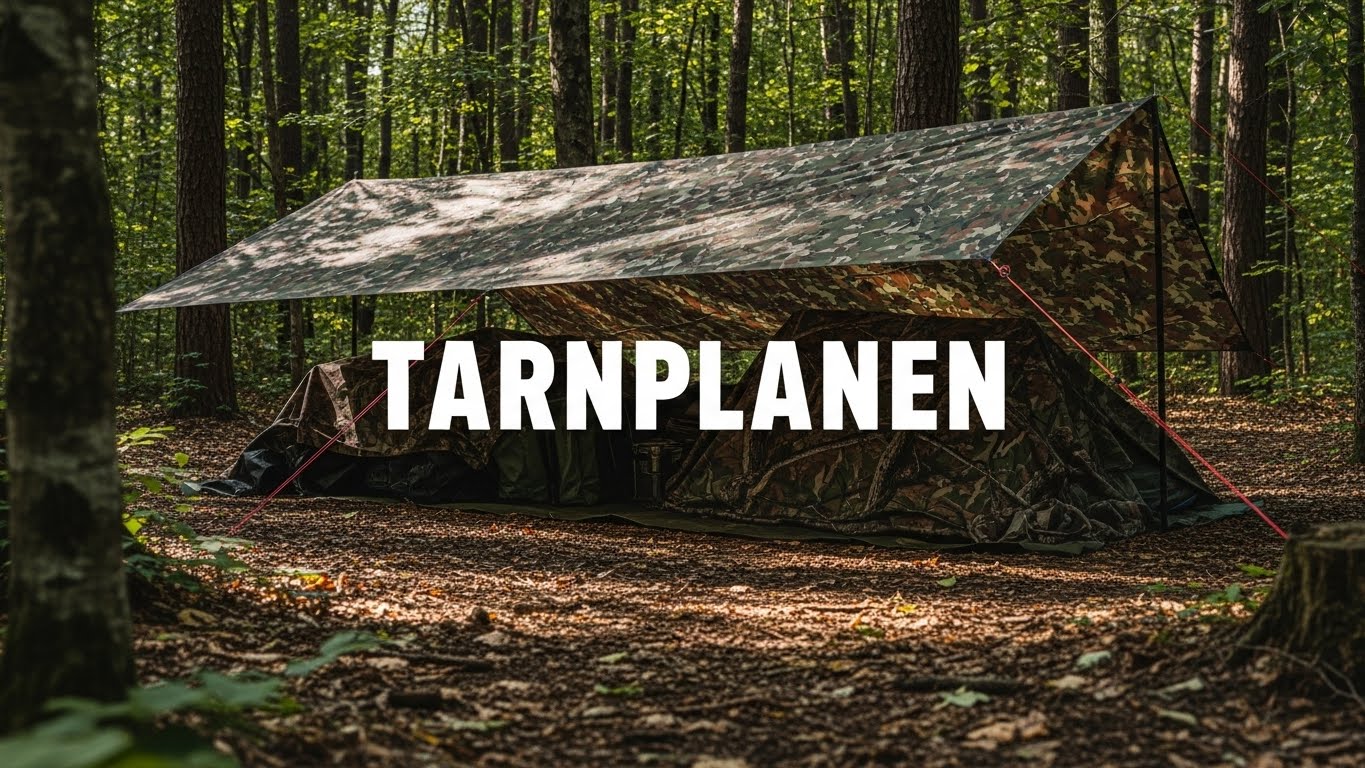
Tarnplanen: Camouflage Tarps, Uses, Materials, and Practical Applications
Tarnplanen, commonly known as camouflage tarps, are far more than simple covers. They are multifunctional tools designed for concealment, protection, durability, and adaptability across outdoor, military, survival, and everyday use cases. Whether used in nature, construction, camping, hunting, photography, or emergency preparedness, tarnplanen offer a unique combination of strength and visual blending that standard tarps cannot provide. Their growing popularity comes from their ability to protect equipment, people, and spaces while remaining discreet and visually unobtrusive. This complete guide explores tarnplanen in depth, explaining what they are, how they are made, where they are used, and how to choose the right one for your needs, with a clear focus on real-world value and user understanding.
Understanding What Tarnplanen Are
Tarnplanen are camouflage tarps designed to blend into natural or urban environments while providing physical protection against weather, sunlight, and wear. The word itself reflects its purpose, combining the idea of concealment with a durable covering material. Unlike ordinary tarps, tarnplanen are created with specific color patterns that match forests, deserts, snow landscapes, or mixed terrain.
These tarps are often manufactured using reinforced fabrics such as polyethylene, polyester, or canvas, making them resistant to tearing, moisture, and UV exposure. Their primary function is to reduce visibility while maintaining structural reliability. This makes them suitable for both professional and civilian use.
Tarnplanen are widely used because they strike a balance between practicality and discretion. Whether covering equipment, creating shelters, or acting as ground protection, they perform multiple roles without drawing attention.
The Purpose and Function of Tarnplanen
The main purpose of tarnplanen is concealment combined with protection. In outdoor environments, visibility can expose equipment, camps, or supplies to unwanted attention or environmental damage. Tarnplanen reduce this risk by blending seamlessly with surroundings.
Functionally, they serve as weather shields, blocking rain, snow, wind, and harsh sunlight. At the same time, they protect surfaces and materials from dirt, moisture, and abrasion. This dual role makes them highly versatile.
Beyond concealment, tarnplanen also provide privacy and organization. In temporary setups, they help define spaces, create shaded areas, or cover storage zones. Their adaptability is a key reason they are valued across different industries and activities.
Common Materials Used in Tarnplanen
The performance of tarnplanen depends heavily on the materials used in their construction. Most modern tarnplanen are made from synthetic fabrics designed for strength and longevity. Polyethylene is one of the most common materials due to its waterproof nature and lightweight structure.
Polyester-based tarnplanen offer higher durability and better resistance to stretching, making them suitable for long-term outdoor use. Canvas tarnplanen, while heavier, are favored for their breathability and natural texture, especially in warmer climates.
Many tarnplanen are coated with protective layers that enhance water resistance and UV stability. Reinforced edges and metal eyelets further increase durability, ensuring the tarp can withstand tension and repeated use.
Camouflage Patterns and Their Importance
Camouflage patterns play a critical role in the effectiveness of tarnplanen. Different environments require different visual blending strategies. Forest patterns use greens and browns, desert patterns rely on tans and light browns, while winter patterns incorporate whites and grays.
The purpose of these patterns is not decoration but disruption. By breaking up recognizable shapes, tarnplanen make covered objects harder to detect. This is particularly important in outdoor and tactical environments.
Choosing the correct camouflage pattern enhances the tarp’s effectiveness. A mismatched pattern can draw attention instead of reducing it, making pattern selection an important consideration for users.
Tarnplanen in Outdoor and Camping Use
In camping and outdoor recreation, tarnplanen are widely used as ground covers, rain shelters, and equipment covers. Their waterproof properties protect tents, backpacks, and supplies from moisture and dirt.
Campers often use tarnplanen to create shaded cooking areas or emergency shelters. Because they blend into natural surroundings, they maintain the aesthetic of nature-focused camping experiences.
Durability is especially important outdoors, where rough terrain and changing weather can damage standard tarps. Tarnplanen are designed to handle these challenges while remaining lightweight and portable.
Use of Tarnplanen in Hunting and Wildlife Activities
Hunters and wildlife observers rely on tarnplanen for concealment and minimal disturbance. These tarps are commonly used to cover blinds, equipment, and temporary shelters, helping users remain unnoticed by animals.
The camouflage effect reduces movement visibility and prevents unnatural reflections. This allows hunters and photographers to observe wildlife more closely without causing stress or alarm.
In these contexts, silence and stability also matter. Quality tarnplanen are designed to minimize noise from wind movement, enhancing their effectiveness in sensitive environments.
Tarnplanen in Military and Tactical Applications
Historically, tarnplanen have strong connections to military and tactical use. Armed forces use camouflage tarps to conceal vehicles, equipment, and temporary structures in diverse environments.
Military-grade tarnplanen are built to higher durability standards, often featuring infrared reduction and reinforced stitching. These features enhance concealment across different detection methods.
While civilian versions may not include advanced tactical features, the principles behind military use influence modern tarnplanen design, ensuring reliability and effectiveness.
Tarnplanen for Construction and Industrial Use
In construction and industrial settings, tarnplanen are used for covering materials, scaffolding, and machinery. While camouflage may not always be essential, the durability and weather resistance are highly valued.
They protect construction sites from rain, dust, and debris, helping maintain material quality and site organization. Tarnplanen can also provide temporary privacy barriers on active sites.
Their strength and resistance to tearing make them suitable for heavy-duty use, especially in outdoor or semi-permanent setups.
Weather Resistance and Durability of Tarnplanen
One of the defining qualities of tarnplanen is their ability to withstand harsh weather conditions. Waterproof coatings prevent moisture penetration, while UV-resistant layers protect against sun damage.
Wind resistance is enhanced through reinforced edges and secure attachment points. This prevents flapping and tearing during storms or high winds.
Properly maintained tarnplanen can last for years, even with frequent outdoor exposure. Their durability makes them a cost-effective solution for repeated use.
Choosing the Right Size and Thickness
Selecting the correct size and thickness is crucial when purchasing tarnplanen. Smaller tarps are suitable for personal gear and compact shelters, while larger ones cover vehicles, boats, or large areas.
Thickness affects durability and weight. Thicker tarnplanen offer better resistance to tearing but may be heavier and less portable. Thinner options are easier to carry but may not suit heavy-duty use.
Understanding your specific use case helps determine the best balance between size, weight, and strength.
Accessories and Features That Enhance Tarnplanen
Modern tarnplanen often include features that improve usability and performance. Reinforced corners reduce stress points, while rust-resistant eyelets allow secure fastening.
Some tarnplanen include mesh sections for ventilation or adjustable cords for quick setup. These features add flexibility and convenience.
Below is a table summarizing common tarnplanen features and their benefits:
| Feature | Benefit |
|---|---|
| Reinforced edges | Increased durability |
| Metal eyelets | Secure attachment |
| Waterproof coating | Weather protection |
| UV resistance | Longer lifespan |
| Lightweight design | Easy transport |
Maintenance and Care of Tarnplanen
Proper care extends the life of tarnplanen significantly. After use, they should be cleaned of dirt and moisture before storage. Folding them while wet can lead to mold or odor.
Storage in a dry, shaded area prevents material degradation. Avoid prolonged exposure to direct sunlight when not in use, as UV rays can weaken fabric over time.
Regular inspection helps identify small tears or loose eyelets early. Prompt repairs prevent minor damage from becoming major issues.
Environmental Considerations and Sustainability
Environmental awareness is increasingly important in tarp manufacturing. Some tarnplanen are now produced using recyclable materials or eco-friendly coatings.
Reusable tarnplanen reduce waste compared to disposable coverings. Their long lifespan also minimizes the need for frequent replacement.
Choosing durable, responsibly made tarnplanen supports sustainable practices while still meeting practical needs.
Practical Situations Where Tarnplanen Are Useful
Tarnplanen are valuable in a wide range of scenarios beyond outdoor recreation. Common practical uses include:
- Emergency shelters during power outages or disasters
- Temporary storage protection
- Privacy screens in open spaces
- Vehicle and boat covers
- Event and exhibition setups
This versatility makes them a reliable solution across different lifestyles and professions.
The Future of Tarnplanen and Design Innovation
The future of tarnplanen lies in improved materials and smarter design. Innovations focus on lighter fabrics, enhanced durability, and better environmental performance.
Advances in camouflage technology continue to improve visual blending. At the same time, manufacturers are working on easier setup systems and modular designs.
As demand grows across outdoor, industrial, and personal use, tarnplanen are expected to become even more adaptable and user-friendly.
Conclusion
Tarnplanen are versatile, durable, and highly practical tools designed for protection and concealment across a wide range of applications. From camping and hunting to construction and emergency preparedness, they provide reliable performance while blending into their surroundings. Understanding materials, patterns, sizing, and care ensures users get the most value from their tarnplanen. When chosen thoughtfully, a tarnplane becomes more than a cover—it becomes a dependable solution for real-world challenges.
FAQs
What are tarnplanen mainly used for?
Tarnplanen are used for concealment, weather protection, and covering equipment or spaces in outdoor, military, and industrial settings.
Are tarnplanen waterproof?
Most tarnplanen are waterproof or water-resistant, depending on the material and coating used.
Can tarnplanen be used for camping shelters?
Yes, they are commonly used to create rain shelters, ground covers, and shaded areas while camping.
How do I choose the right camouflage pattern?
Choose a pattern that matches your environment, such as forest, desert, or winter landscapes.
Are tarnplanen reusable?
Yes, tarnplanen are designed for repeated use and can last for years with proper care.
Do tarnplanen require special maintenance?
Basic cleaning, drying before storage, and occasional inspection are sufficient to maintain their quality.